Pat’s Top 8 Tips for National Barbecue Month
Get fired up for National Barbecue Month! While each region of the US might have a different take on barbecuing, each house probably has their own style as well. And we’re not here to judge what’s wrong or right - only to help. So to properly celebrate Barbecue Month, here are some of Pat’s top tips. Cause, you know, he’s been around a grill or two in his day…
1. Choose The Right Setup
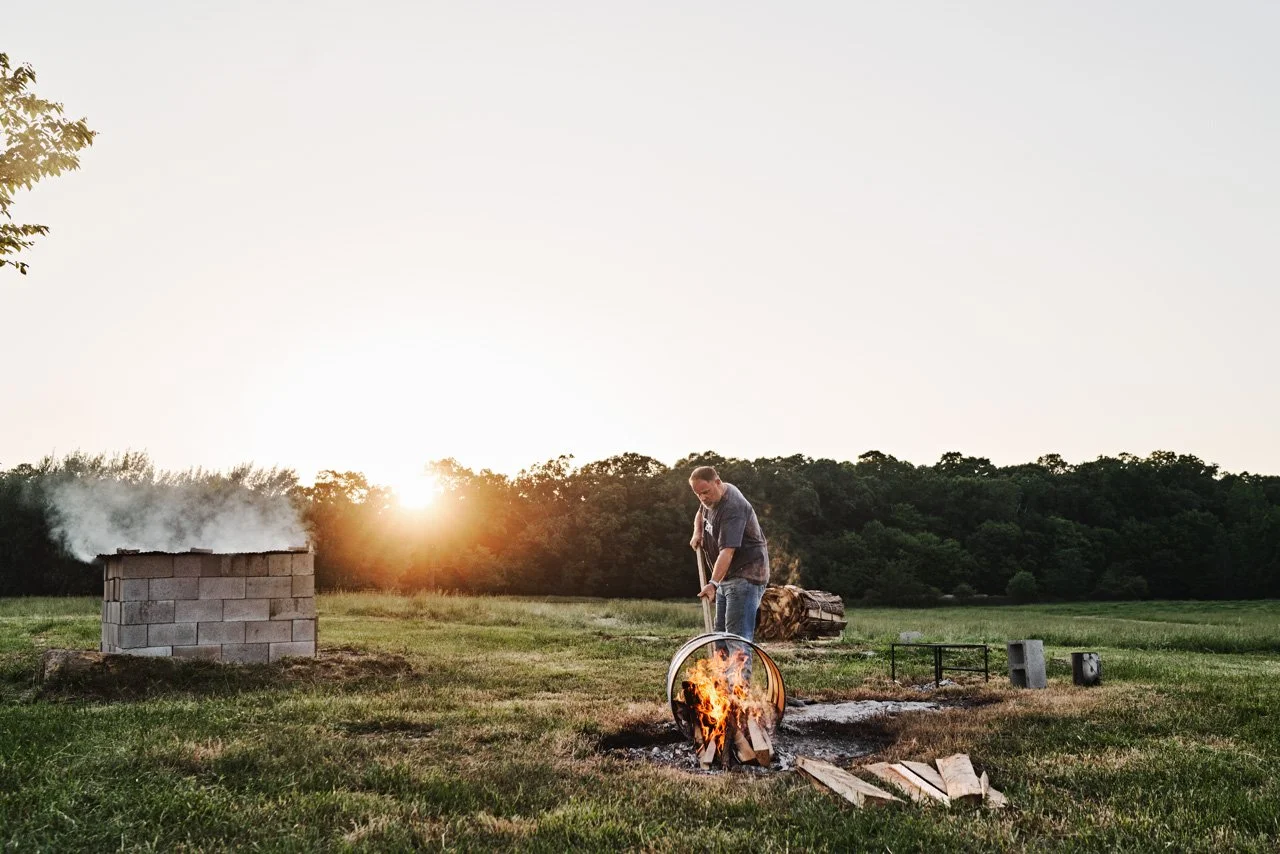
For most, you can’t go wrong with a quality charcoal grill. Pat prefers a Weber but, as he says, “Cooking is cooking.” And if you’re looking to build a pit - stick with a block pit. It’s pretty cheap and it's the best way to hold heat. But don’t use mortar! A pit that's dry stacked breathes 360 degrees around so you don't have as many hotspots, and get a more even cook.
2. Use Tools
When you’re grilling, precise action is key. Two must-have tools: a very good pair of stainless steel, spring-loaded tongs (no more than 9 inches long), and a really heavy-duty spatula.
3. Opt For Seasoned Wood
Hickory is used a lot in the South but the best wood to use is the wood that's grown around you. But don’t just use freshly chopped wood! When it's not seasoned, it still has a lot of tannins and a lot of nasty flavors. You want wood to be seasoned out for about six months so it has a blue wispy light smoke, almost sweet from a nasal standpoint.
4. Find Fatty Meats
Pat recommends fatty proteins because they help stand up to the long cooking period. But more than that, he recommends looking for the right muscle fiber, collagen, and tough cuts of meat. Collagen is important because over time, that collagen finally quits fighting back and gives up; it perspires, basically. It sweats. And that's what's important in barbecue.
5. Follow The Season
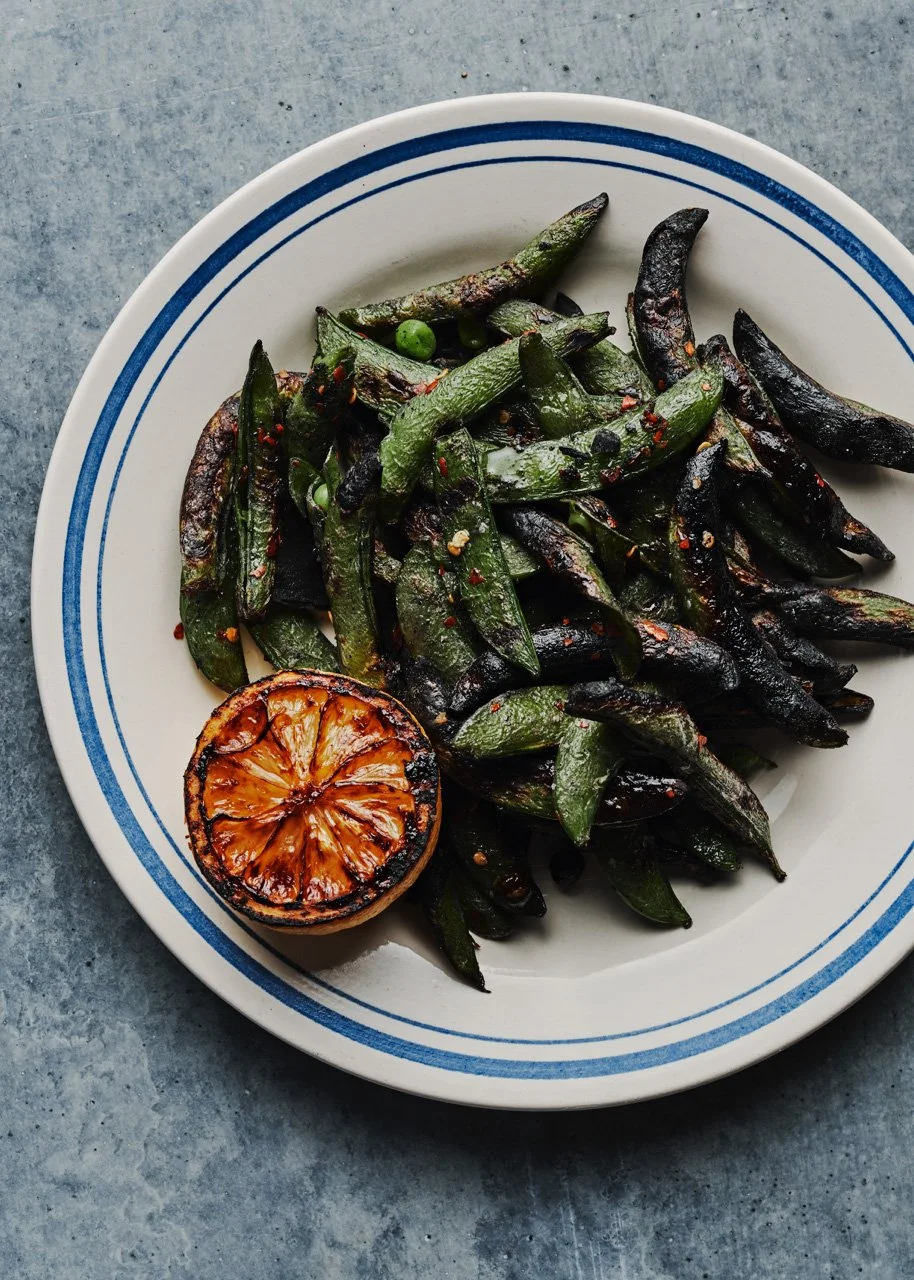
The garden should dictate what you’re cooking throughout the year. Don’t be afraid to throw your favorite vegetables on the grill - even the ones you think won’t work. Pat says one of his favorites is okra.
Pat’s Bonus Tip: Okra can take an absolute beating on the grill and come out better for it. Most folks go wrong by undercooking it. If you split the okra in half lengthwise before grilling, you’ll get a crispier result (which kids love!).
6. Keep The Heat In Check
A common mistake beginners make when live-fire cooking is getting the heat too high. Use the hand test: Try and hold your hand 6 inches above the coals of the fire. If you can’t keep your hand there for longer than one or two seconds, the fire is too hot and you need to let it cool down some.
7. Salt. Just Salt.
What’s Pat using on his West Tennessee hogs? Salt. Yup, just salt.
Grab some good Maldon salt, flake salt, or kosher salt. And if you prefer a rub, he recommends you make it yourself. Most rubs are 45% salt and 40% sugar, with the reset being a mix of whatever you prefer. Don’t be afraid to mess around.
8. Balance The Flavors
We serve our pork with a vinegar-based sauce, which offsets the fat. Think of it like a vinaigrette. You add an acid to fat, and that's what creates balance on your palate. Add some slaw on the plate and you’re a pro.
Get all of Pat's recipes and pit-making tips in his cookbook "Life Of Fire”.